The Eight Seasons of Lapland
and other pieces for solo piano
2019·Sulasol·elementary 1–2·11 pieces·illustrations Lotta Vuorma
Did you know that there are eight seasons in Lapland? My first collection of piano miniatures is inspired by arctic nature and its colourful seasons. The pieces are composed to fit to a small child's hand. These characteristic pieces generally sound more difficult than they actually are, which really motivates children to attempt them. In each piece there is also a clear task in technique or interpretation to practise, and the pedal is needed almost in every piece.
Buy the score from Sulasol↗Watch the trailer ↗
The pieces
At the arctic circle the dawn and the dusk are practically the same thing during the darkest time of the year, in December. Polar night has a twilight atmosphere of soft, purple light that is visible in the horizon for a few moments at noon. In my music they are represented as exciting and mysterious harmonies and a drowsy little melody streaming down from the high descant. This piece requires melodic, bright legato of the right hand, and wide motion of the left hand in order to play soft chords. The whole keyboard is used to paint the colours of the polar night.

January and February are usually the coldest months in the arctic. In Frosty winter there are bouncy staccatos, as in cold weather you have to keep yourself moving to keep warm! In this piece there are contrasts, both in the articulation and atmosphere: playful staccatos in the A-part and a warm, cozy legato (by the fireside with hot chocolate) in the B-part. Or is it a bear snoring in a den in hibernation? This piece is also a study of alteration of tempo and dynamics, and pointy pedalling.
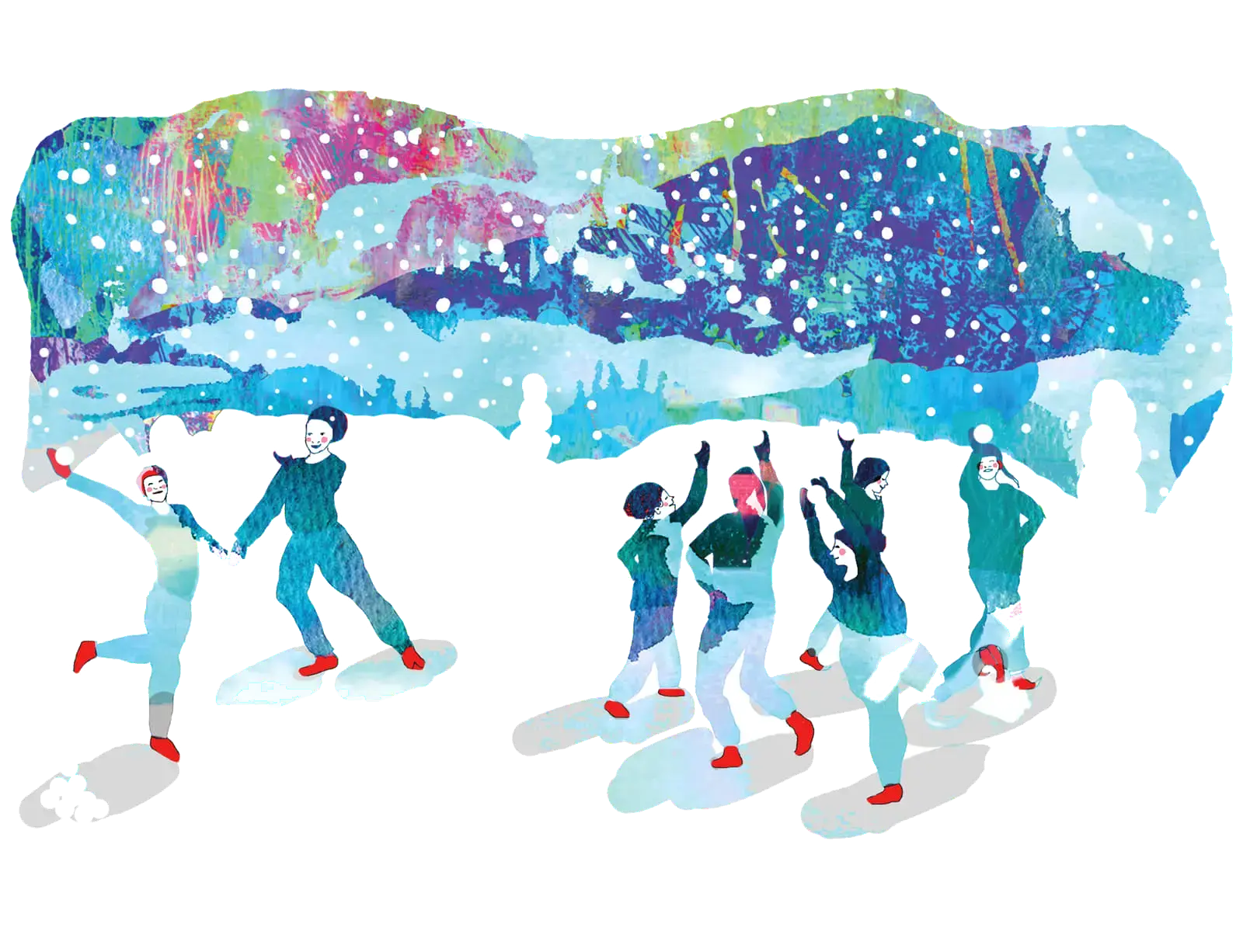
Lappish spring (part one) is a wonderful time of the year. In March and April the sun is shining brightly and people are enjoying the sunlight outside, skiing, ice fishing and walking on the ice of rivers and lakes. This miniature piece is a very happy and relaxed one. The very slow tempo suggests a Sunday feeling or perhaps spring laziness. The cantabile-melody of the right hand describes the bright sunlight and the left-hand chords are breathing steadily in half notes. This piece offers some basic musical aspects to practise: pedalling, phrasing, balancing and reading chord progressions at the left-hand stave.
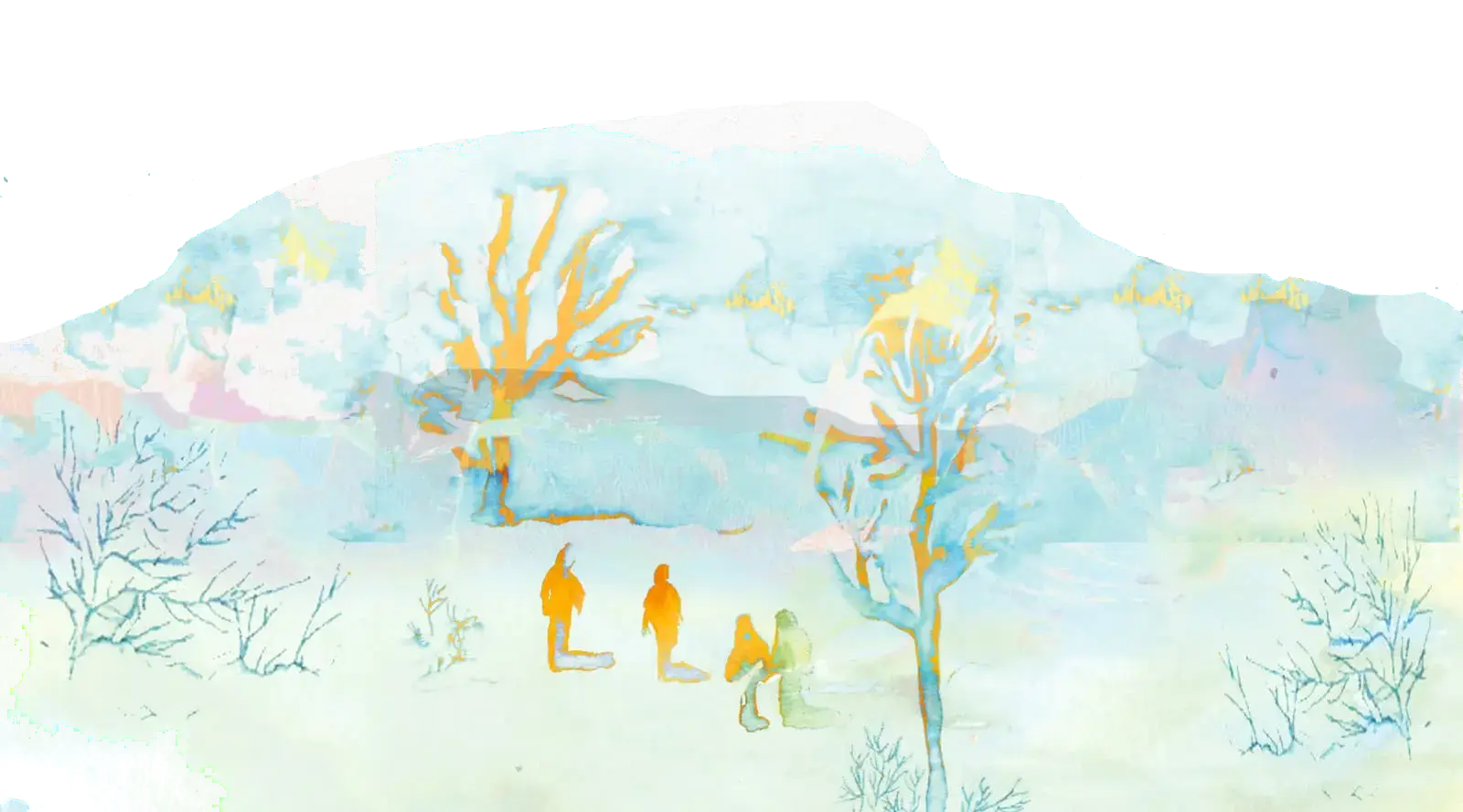
Lappish spring (part two): the melting season in April or May. A fast, syncopating melody in sixteenth notes describes the running ice and water in a river in springtime. The music is full of joy! The left hand is accompanying with ‘Alberti' bass, and the easy key (F major) makes this piece relatively simple to read and learn. A high positioning of both hands and thumbs make the music flowing and balanced. The musical form is easy to understand: each time the phrase opens up a little bit more to a crescendo, and finally calms down at the ending.

During midsummer the sun never sets at the arctic - it is the opposite of polar night. Slow tempo and jazzy harmonies create a hazy atmosphere, describing the magical and extraordinary light of the ‘nightless night'. To find the soft colours in this music, this piece should be played very delicately, avoiding hammering. In the middle of the piece there is a wonderful and glimmering ”Disney moment” that requires firm fingertips and soft motions of the arm.

The harvest time is the best time of the year for many people in the north. Harvesting in Lapland means, above all, going to the forest and picking the superfood berries and mushrooms. In this joyful and rhythmic piece, you can hear the reindeer casually trotting on the road. The challenge of this four-handed piece is the exactness of the rhythms and the coordination of the players as well as the primo player's articulation and sassy staccatos.
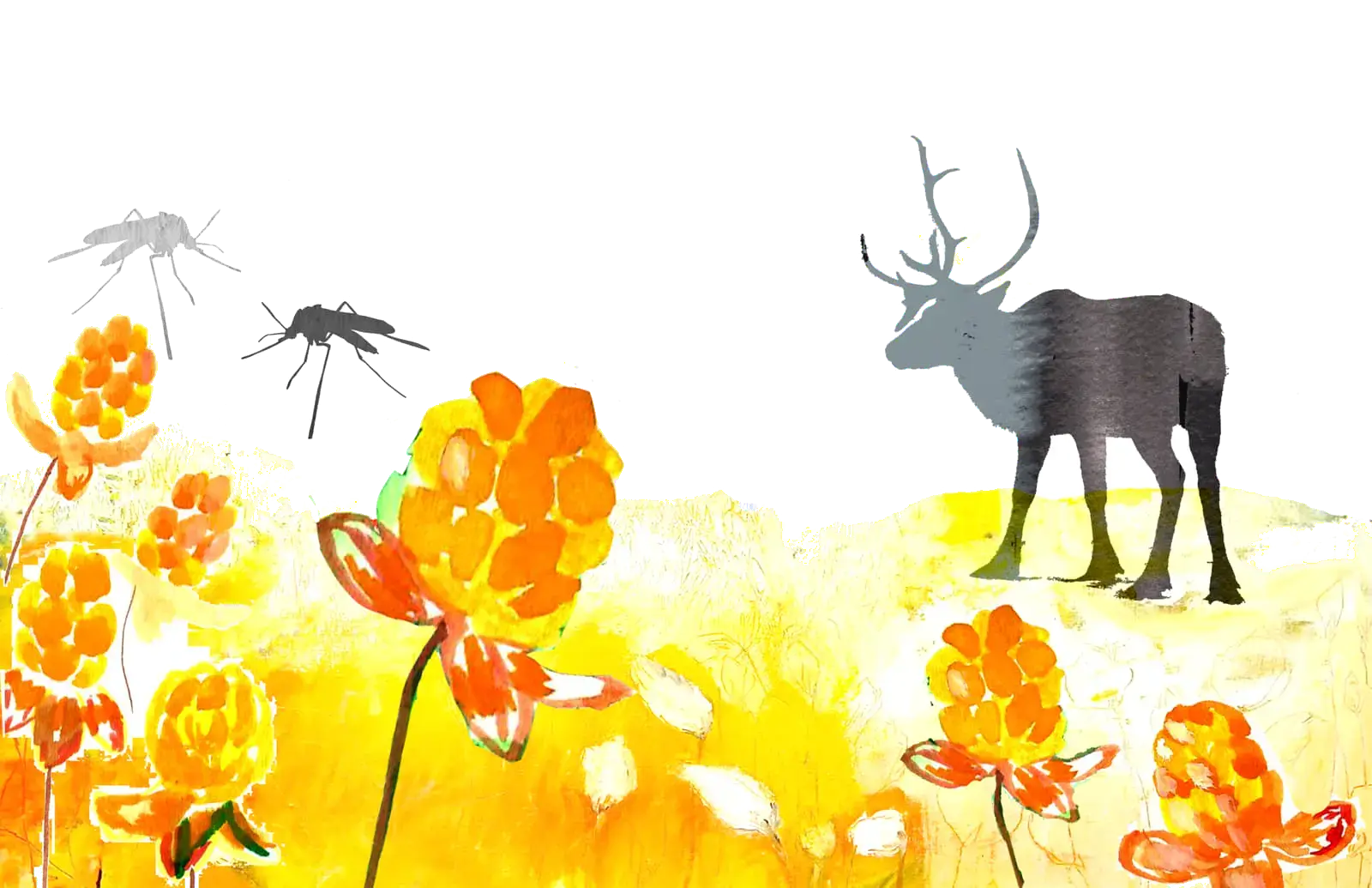
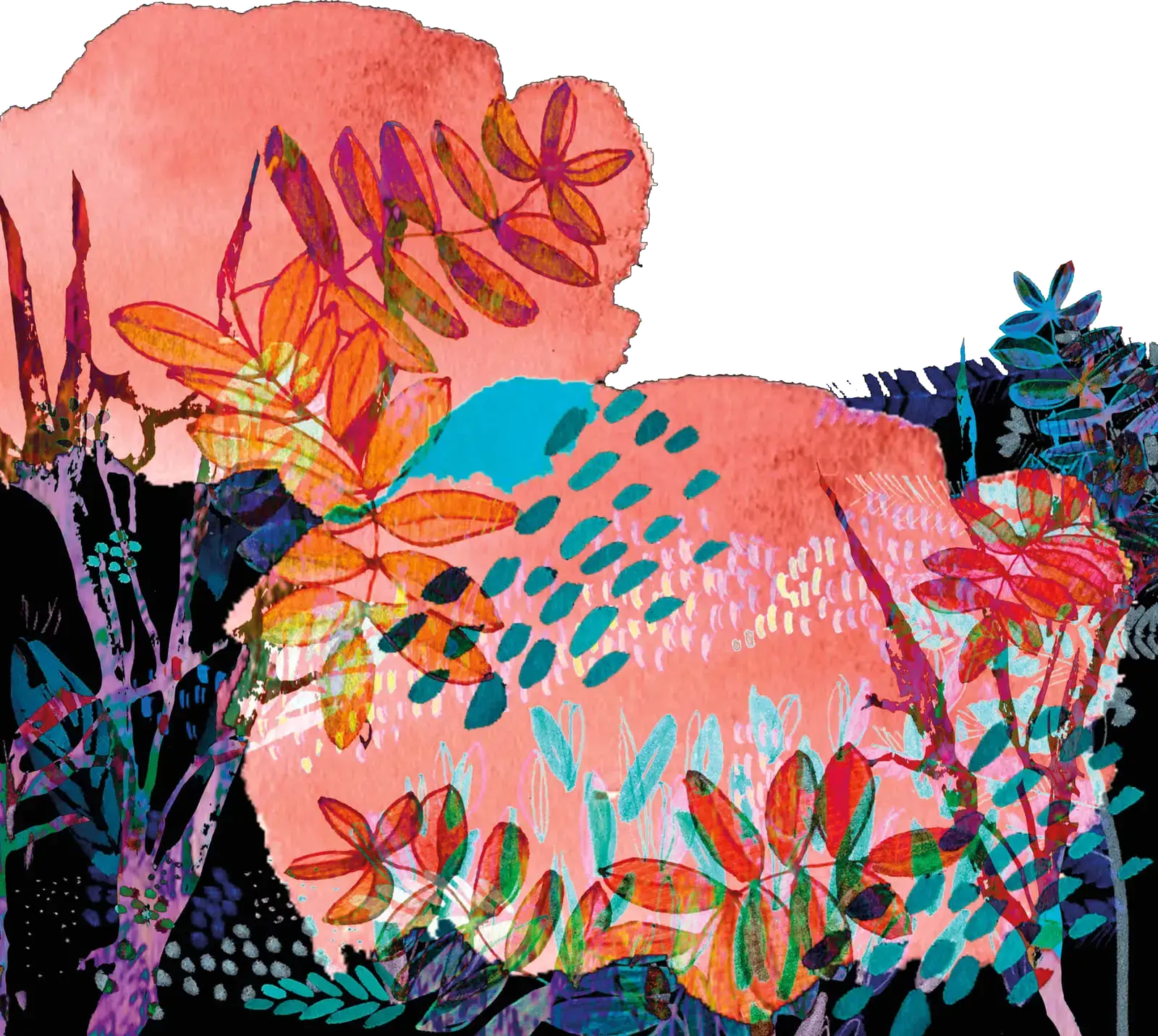
This is a favourite piece of many piano pupils and their parents! In this melancholic music you can hear the longing for the past summer and the trembling, colourful leaves - in the autumn the Lappish nature reveals its most beautiful colours. Autumn Foliage is a theme and variations in a miniature form: the left hand continues the same, simple harmonies through the piece, while the right hand has various technical tasks, like trills, rotation, scales and broken chords. This piece requires an advanced pedalling technique, and therefore may not be suitable as a student's first pedalling exercise.
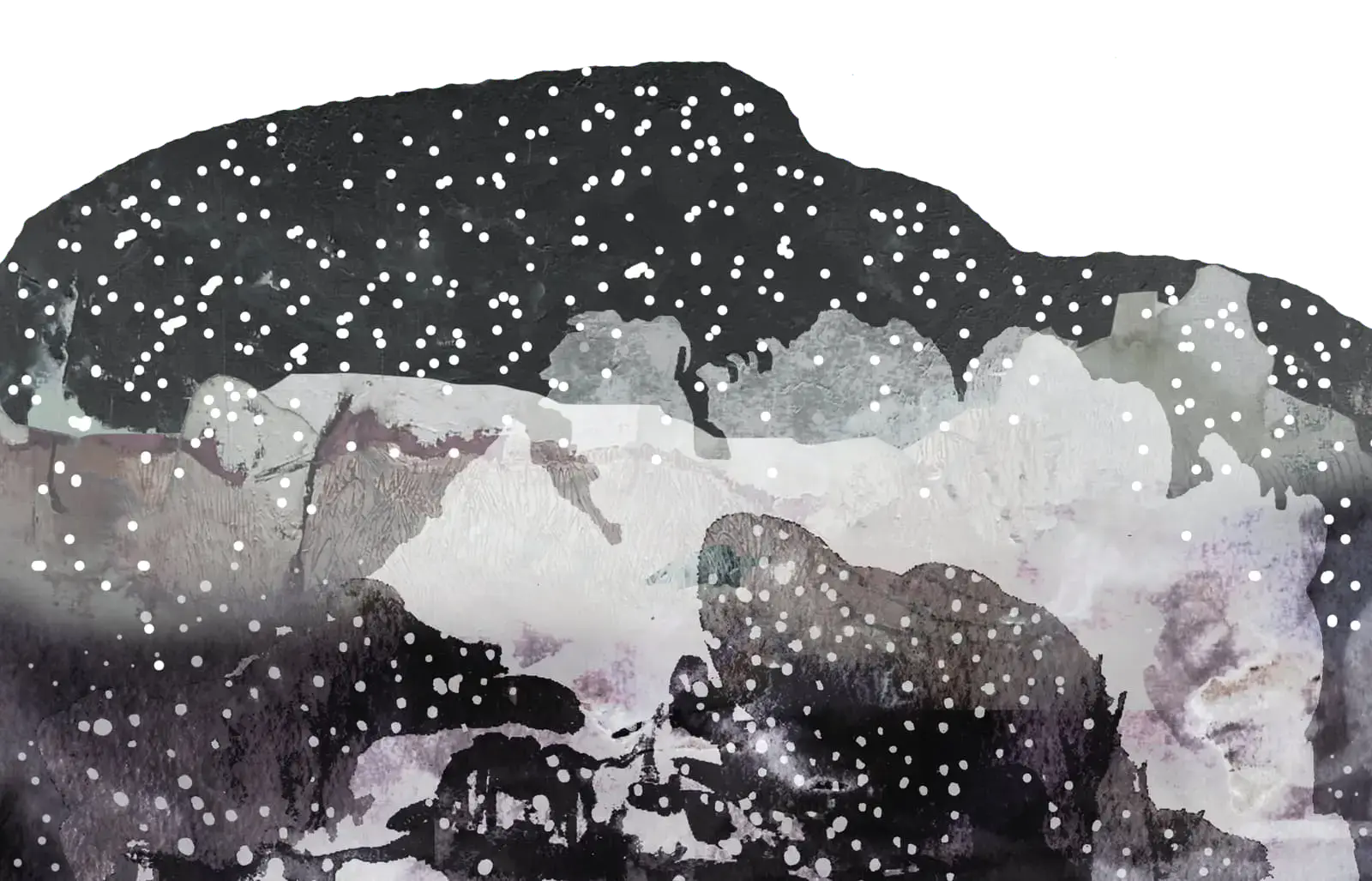
After the colourful foliage comes the darkness. The first snow in Lapland falls typically in October, somewhere around Halloween. This piece describes the snowflakes falling on the black, dark ground. Gradually it becomes a snowstorm with full forte. The right hand is repeating a simple, ominous riff throughout the whole piece, while the left hand plays the leading role. In the end, the snowing stops and the music fades out into silence. First Snow is a study in dynamics with a lot of dark-mooded feeling. The cycle of the eight seasons comes to an end in the same atmosphere as it began.
In addition to the 'eight seasons', my first collection includes three extra pieces, of which Misty Island is the first one. This mysterious and gently flowing piece sounds more complex than it really is. Playing this piece is a good exercise of broken chords in different positions. Make sure to keep your body steady while crossing arms. The eighth notes must be played delicately, with controlled fingertips. In the middle of the piece you may feel quite lost and alone - the melody is like questions floating in the air. In the ending there is a pedalling effect: the final d minor chord is like an island, which is revealed out of the fog when the pedal is lifted up very slowly.
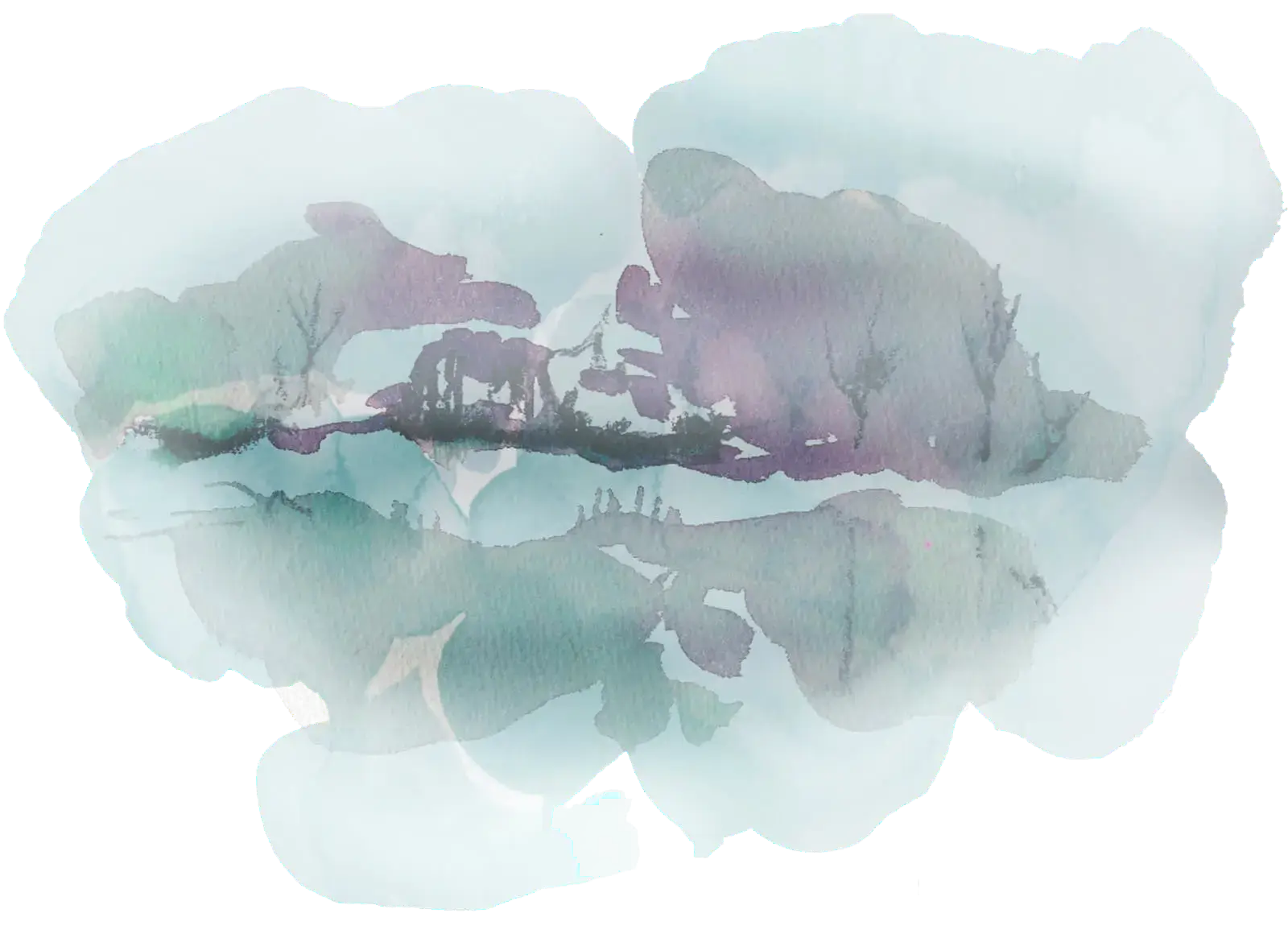
One of my own favourites in this collection of miniatures - and one of the most popular among pupils - is Mysterious Mountains. The simple yet beautiful descending thirds in the melody are like crystal: play them evenly, brightly and with careful legato. The left hand's accompaniment is a useful study for the thumb - played with a nice round and high hand position it will sound quiet and delicate. In the middle part, freely moving and relaxed arms are needed to produce a more generous sound. Flexibility is important, and that is why this piece is especially useful for a student with a tense body. Just get carried away with the music and the emotion! The atmosphere of this piece gives you also an opportunity to think about the interpretation: why are the mountains so secretive? This is something to think about, and let the imagination show you the way.
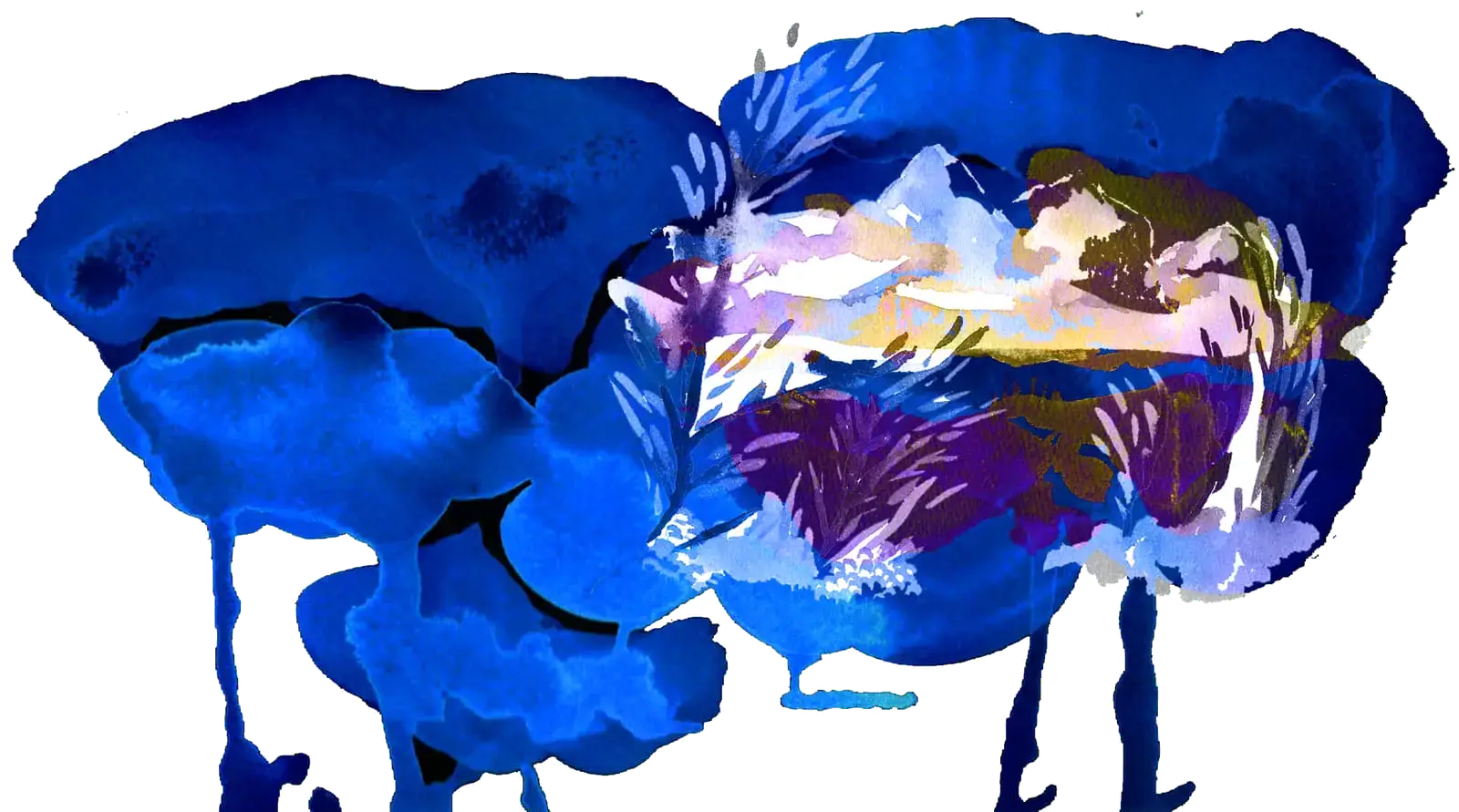
The final piece of music in my first set of miniatures brings you back to the Lappish landscape. In Northern Lights you can hear the harmonic series like aurora borealis that ripple in the black night sky. It is a piece that takes a bit of a virtuoso attitude and courage, and the children love it! Despite the speed, it is actually quite simple and easy to learn. It is a study in dexterity and alteration of tempo and dynamics. The fourths and the octaves in the middle part characterise the coldness of the dark night sky. In the ending there is an important lesson about listening: the last octave is played again mute, before lifting the pedal up. The northern lights fade away and only the black sky remains.