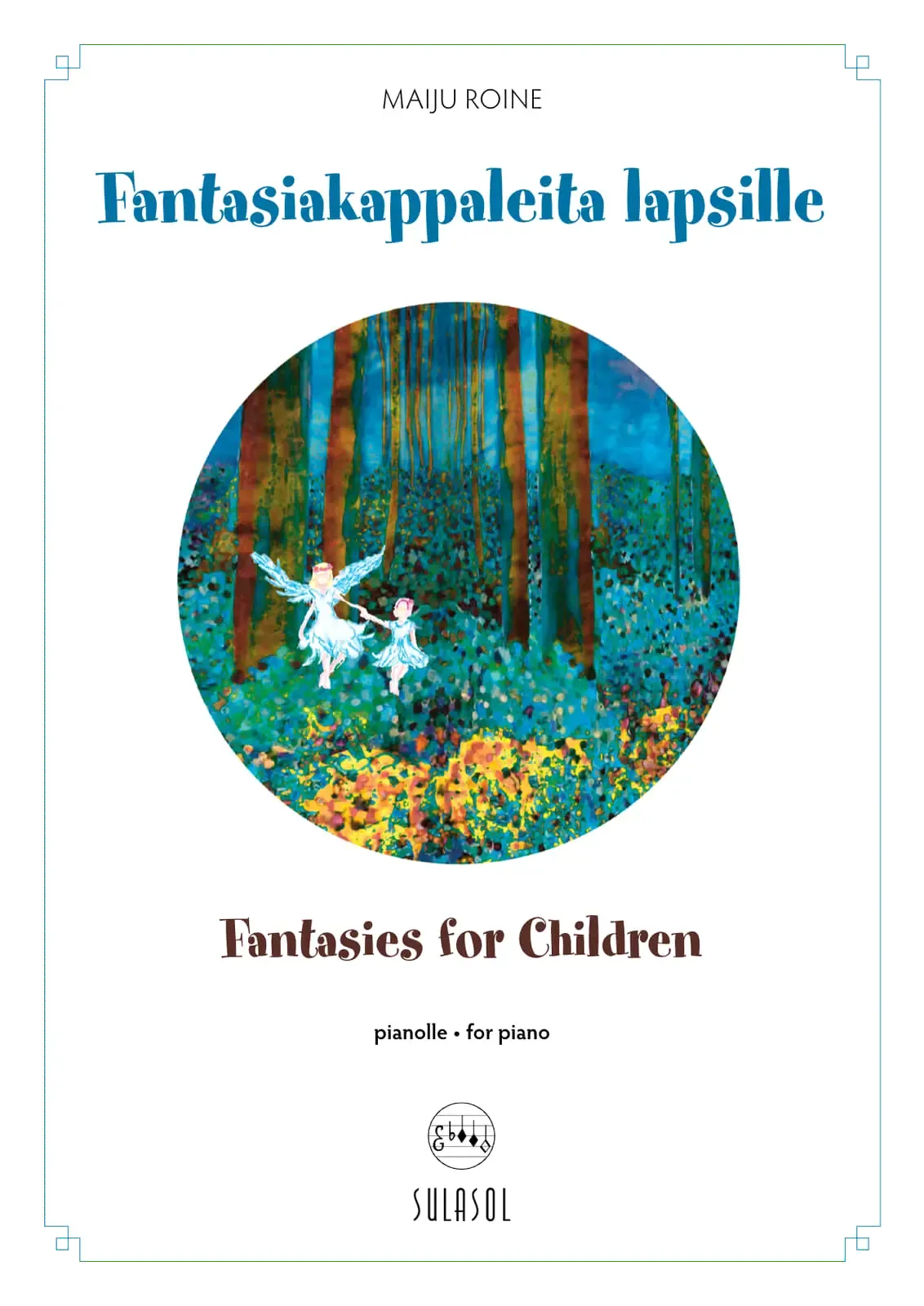
Fantasies for Children
2020·Sulasol·elementary 1–2·17 pieces·illustrations Lotta Vuorma
Fantasies For Children is a sheet music collection of piano miniatures for young players. It includes both very easy and a bit more advanced level repertoire. The difficulty level of the pieces increases gradually, so that the student is able to use this material while studying in different levels. Most pieces are played with pedal, and the collection includes pieces with different musical characters. There are also a few ensemble pieces included. The topics are from the fantastic imaginative world of children.
Buy the score from Sulasol↗Watch the trailer ↗
The pieces
Dance of the Tiger is a simple and rhythmic piece in A-B-A form for beginners. The bouncing thirds make a super easy accompaniment for the melody. In the B-part the tiger is sneaking around and prowling, and in the end it gets back to the dancing mood.

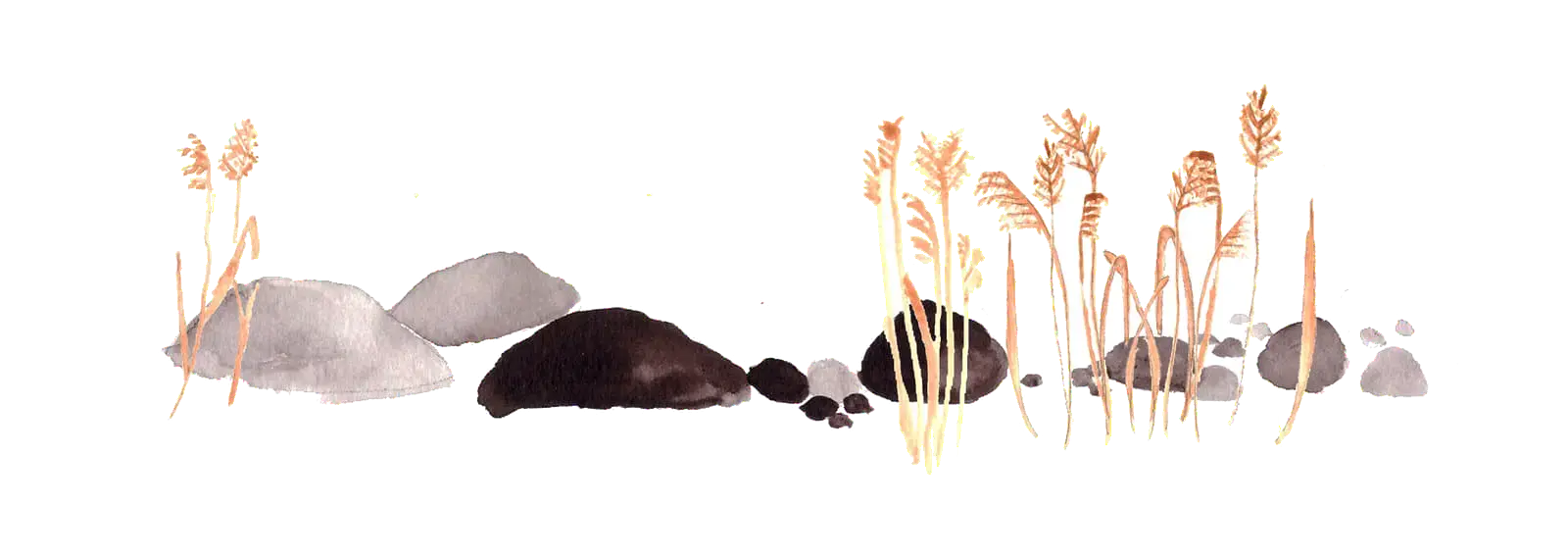
Reed is a pedalling and toning exercise that can be played with just one long pedal. Learning the introduction's right hand motif is easy: the group of three black keys is played with the three longest fingers, while the thumb is “downstairs”, on the white f key. Play the fast black key groups delicately and very lightly, and you will make them sparkle like a crystal crown. After the introduction the right and the left hand have different tasks: the left hand has bell-like long accented notes, while the right hand is accompanying with very little motion in pianissimo.
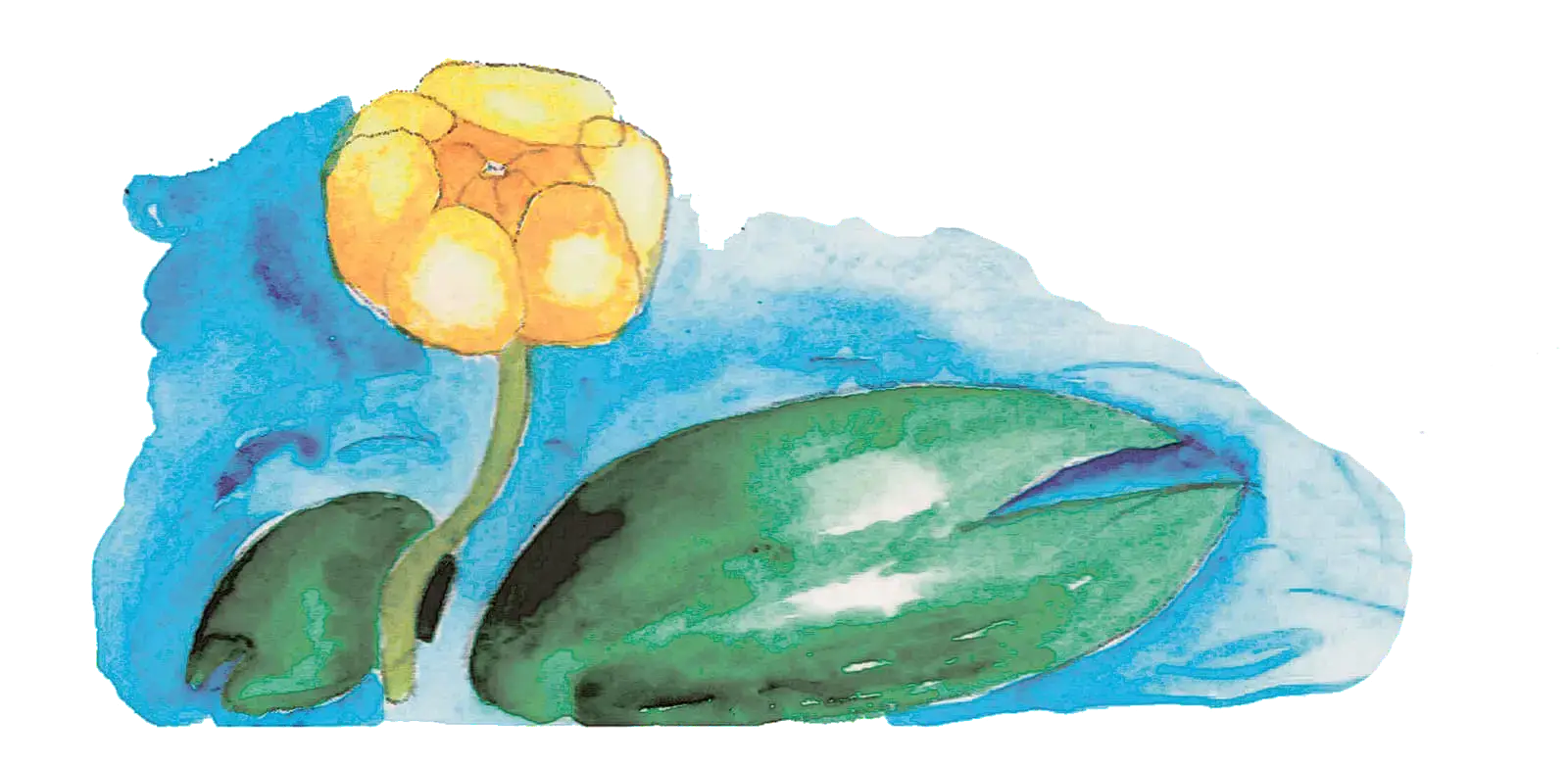
Pond-Lily is an easy pedal piece for two players. The Secondo player has a bit more difficult task with changing broken chords and the pedal. The Primo player plays both hands in unison, using only five notes - a very easy piece for even a first year student. Can you hear a swan swimming in the lake of pond-lilys?
Cat's Dream refers to a good old piece known in Finland as Kissanpolkka - a folklore kind of easy black key piano piece that everybody knows. It is easy to play if you use the help of black key groups and the visuality of the keyboard. In Cat's dream the atmosphere is obviously soft and dreamy. Little pianists often like to cross arms and use the pedal - and here's the perfect chance for that. This piece is easy to learn by ear and by copying the teacher.

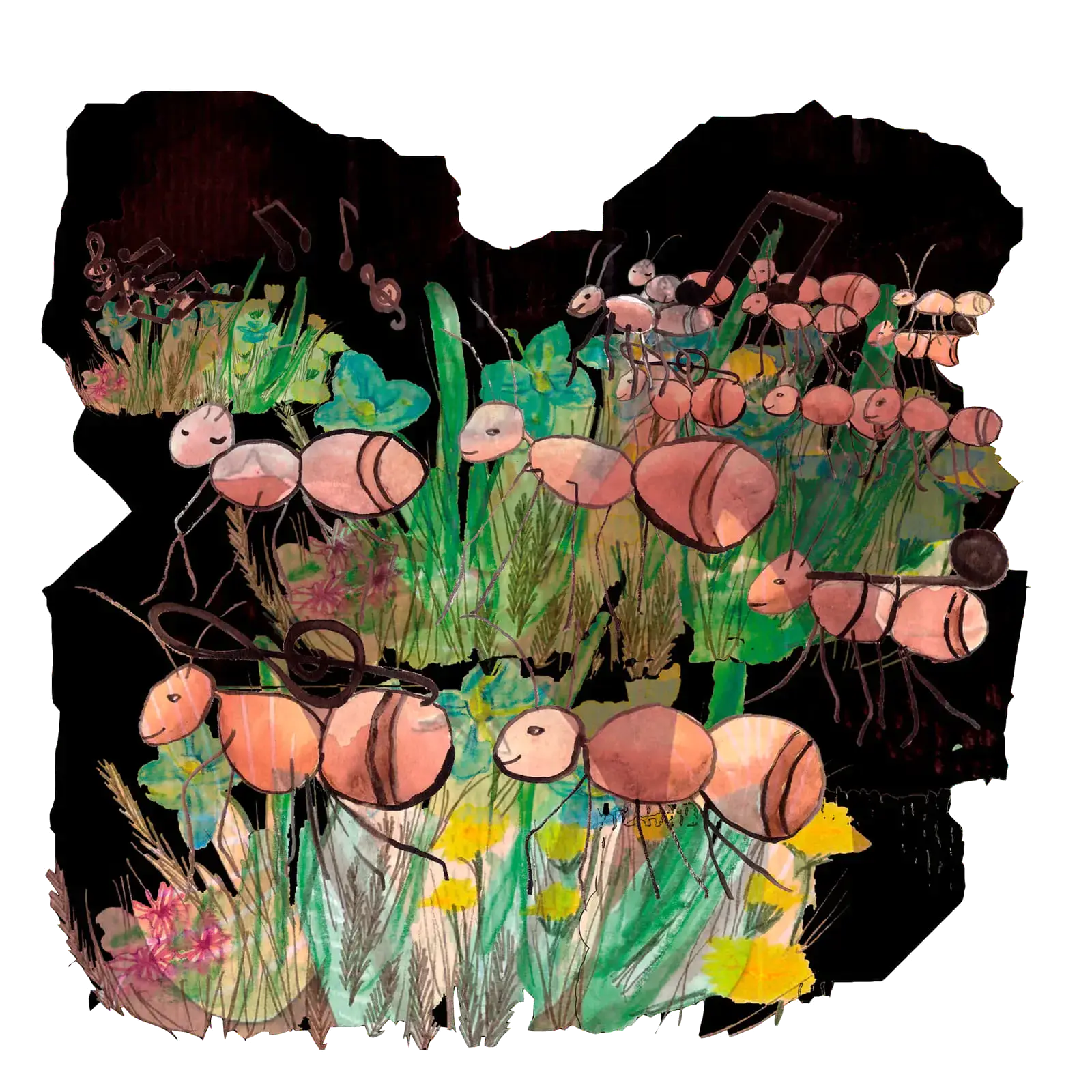
March of the Ants is an exercise of staccato and the left-hand thumb. In this tiny march the busy ants are doing their daily work seriously, in precise order, so keep the rhythm steady there! But in the middle of the piece there are some surprising harmonies - are the ants arguing?
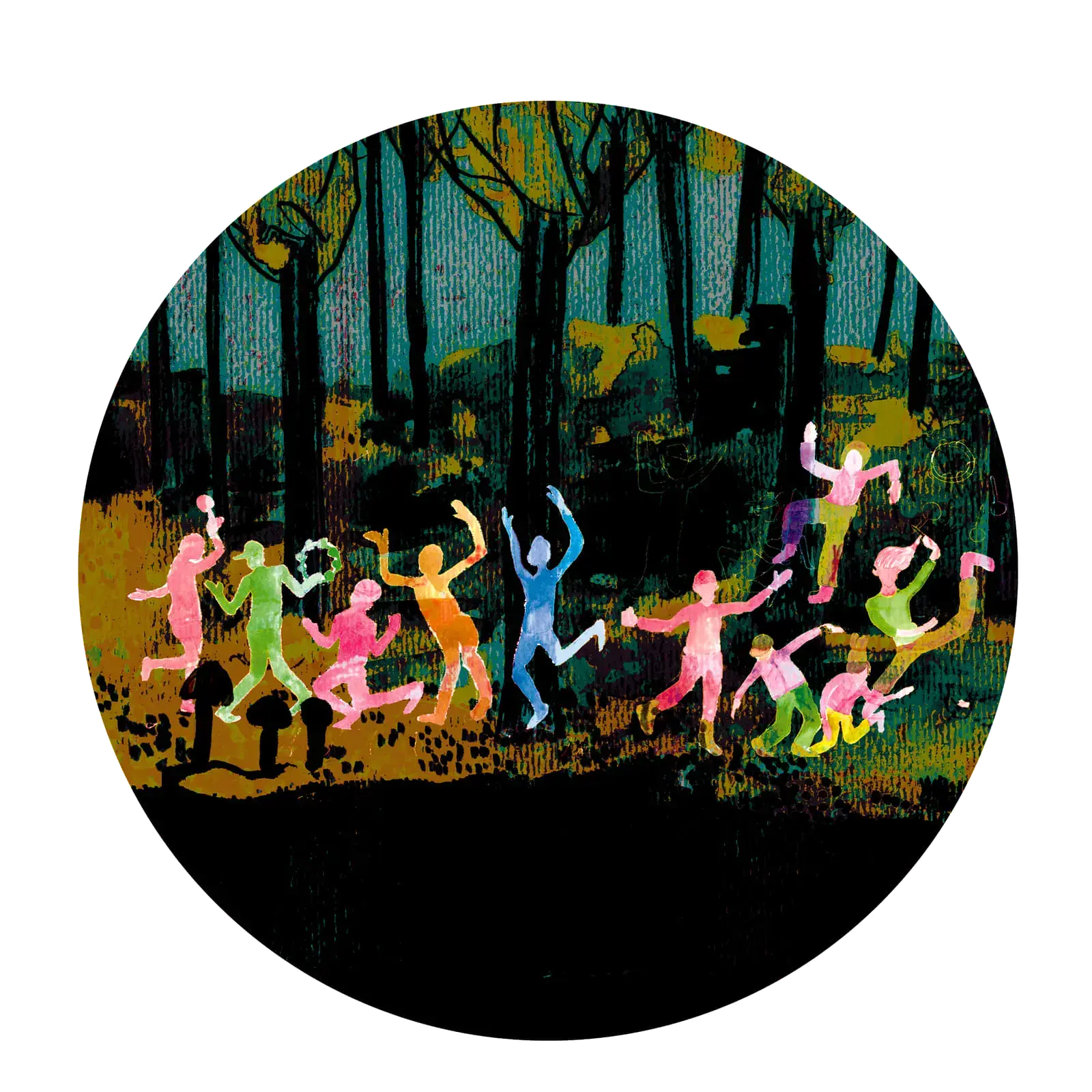
Matsutake Dance — mad about mushrooms! Matsutake is a delicious and good-smelling mushroom, valued especially by Japanese culinarians. You can find Matsutakes also in Lapland, and it is a favourite of reindeer too. In this wild and fun black keys piece you need fast fingers and alertness for the rapid dynamics and crossing arms.
The Flying Fish is a study with a lively and happily flying feeling. In the harmonies there are surprising combinations of scales - as surprising as it is if a fish flies! This piece demands light and precise fingers and a delicate ear for pedalling.

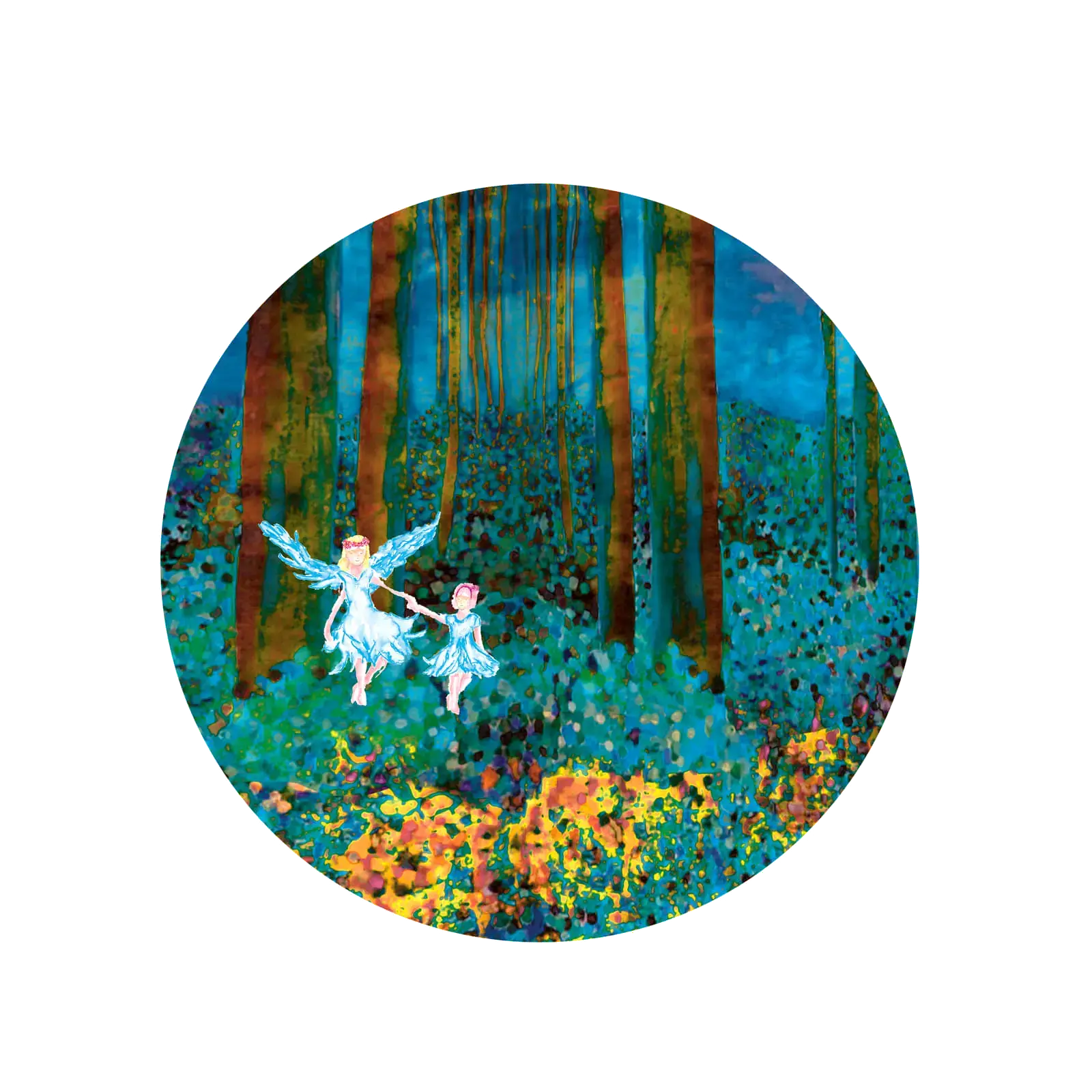
Fairies is a polyphonic miniature piece with a ostinato melody fragment, which is in the right hand in the beginning. The left hand begins a wistful melody with a ‘twilight feeling'. For a moment the two fairies meet, and both hands play the ostinato together in unison. The right hand takes over the melody and plays a solo in turn. In the end, the fairies hide in the shadows of an enchanted forest.
Clouds of Sorrow is a minimalistic and atmospheric piece with delicate colours. With this piece you can practise precise thirds and pedalling as well as crossing arms. The thirds and fifths in the beginning represent clouds, and in the middle part you can hear raindrops - or tears - falling from the clouds. The atmosphere is very sad and solitary.

Caleidoscope is a soft-coloured piece with pedal. Listening to this you might guess, that one of my own favourite composers is Claude Debussy. The floating thirds must be extra soft. The piece is very short, so that learning the notes doesn't take too much time, and the player can concentrate in listening to the colours and the tone.
The Marshmallow Spy is a fast and comical piece about an adventurous and playful character. It has fun rhythms and surprising turnups. Impossible to play with a serious face!

The Amethyst Cave is a mysterious little waltz with shining amethysts in a shadowy cave. Surprisingly combined, exciting triads swing lightly in waltz rhythm, accompanying the bright melody in high register. In the end of the piece you will find a few study-like elements, where you need dexterity.

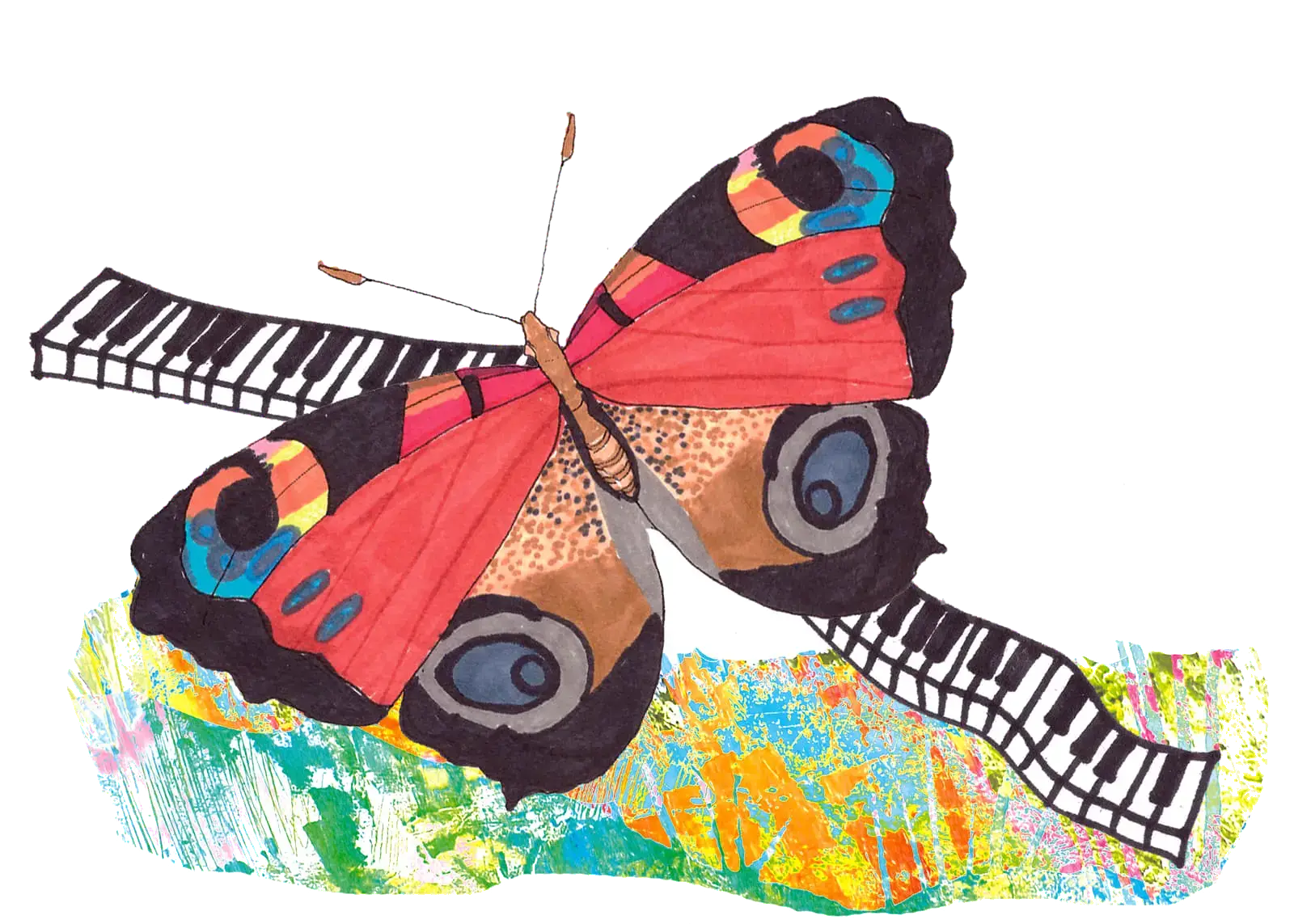
Peacock Butterfly may seem a little tricky on the paper at first sight, but since the finger choreography is quite symmetric, like butterfly's wings, it is easy to play after all: just put your thumbs on the middle d and spread your “wings” on the black keys. After the butterfly-introduction there is a left-hand melody accompanied by the right hand - this is a little brain exercise because the hand's tasks are the other way around. The music itself is gentle and sweet like a summer day.
Shadowy Earth is a dusky piece of music. The hands are playing two melodies in turns, and the slow tempo gives the player time to listen to the atmosphere and details. Easy key and distinct notation make this piece accessible, but the real challenge is to find the right touch and tone.
Mermaid tells a story about the undersea world, where the waves are swaying and the sea surface is shimmering and rippling. The mysterious song of the mermaid is heard from between the murmuring arpeggios. Have you listened to Maurice Ravel's Ondine? It is one of my own favourite pieces!

The Milky Way is a rapidly flowing and very dramatic study for black keys, and it is a favourite of many of my own students. Being full of cold and galactic tones and rapid passages, it sounds virtuosic, but it is actually not very complex. The right hand's texture must be played with controlled fingertips and with a metallic sound, and the left hand plays accented basses, painting the dark sky with black colours. In the end the stars fade away and dawn arrives.

The Enchanted Rose is set up as two different versions. The version for four hands is the original one, and at the request of a colleague I arranged it also for two pianos and eight hands. In the eight hands version not all the parts are equally demanding, so that is it possible to mix students with various skills in the same ensemble. The piece is very melodic and intense, but also rhythmical and kind of meditative. Especially the arrangement for eight hands is like a massive wave of sounds full of feeling. Pure joy for ensemble playing!